September 29, 2026
Foreign vehicles often come with unique challenges, but many misconceptions can lead to unnecessary fear and anxiety. By addressing these myths, you can gain a better understanding of how to manage and maintain your foreign cars effectively. Let's look at a few common myths about foreign auto repair.
Myth 1: Foreign Car Repairs Are Always More Expensive
Comparative Cost Analysis With Domestic Cars
One of the prevailing myths in the automotive repair industry is that foreign auto repair is invariably more expensive than domestic repair. However, this isn't necessarily the case. While it's true that some foreign models may have higher repair costs, many domestic cars also incur significant expenses, depending on their model and age. Factors such as the vehicle's reliability, brand reputation, and even the location of repair shops can influence costs substantially. Moreover, the competitive car repair market ensures that prices remain within a reasonable range for both foreign and domestic vehicle owners.
Factors Influencing Repair Costs
Repair costs are influenced by a multitude of factors, including parts availability, labor expertise, and the vehicle's engineering complexity. Foreign vehicles, particularly luxury brands, might involve specialized parts or advanced technology that can raise repair prices. However, it's essential to consider that technological advancement also brings about more efficient diagnostic tools, often reducing labor time.
Many foreign cars are built with longevity in mind, and with proper maintenance, they can see fewer overall repairs, countering the initial perception of higher costs. As technology advances, the distinction in repair costs between foreign and domestic vehicles continues to narrow.
Parts Availability and Pricing
Another aspect contributing to the perceived high cost of foreign auto repair is parts availability. While it was once hard to find parts for foreign vehicles, the globalization of supply chains has eased this issue significantly. Now, parts can be sourced from various global marketplaces, reducing lead times and costs. Furthermore, aftermarket parts and salvage yards provide alternative resources for car owners seeking cost-effective solutions. As vehicles on the road get older, some reaching 12 to 15 years, according to AutoLeap, parts availability continues to improve, contrary to the outdated belief that parts for foreign cars are hard to find.
Choosing Between Dealership and Independent Shops
The decision between taking a foreign car to a dealership or an independent shop revolves around cost, expertise, and trust. Dealerships offer the advantage of brand-specific knowledge but often at a premium price. In contrast, independent shops frequently provide personalized service and competitive pricing. Many independent shops specialize in foreign auto repair, providing expertise comparable to dealerships without the steep costs. Trust plays a vital role, and developing a long-term relationship with a trusted mechanic often results in cost savings and a better understanding of the vehicle's needs.
Myth 2: Only Dealerships Can Repair Foreign Cars
Capabilities of Independent Repair Shops
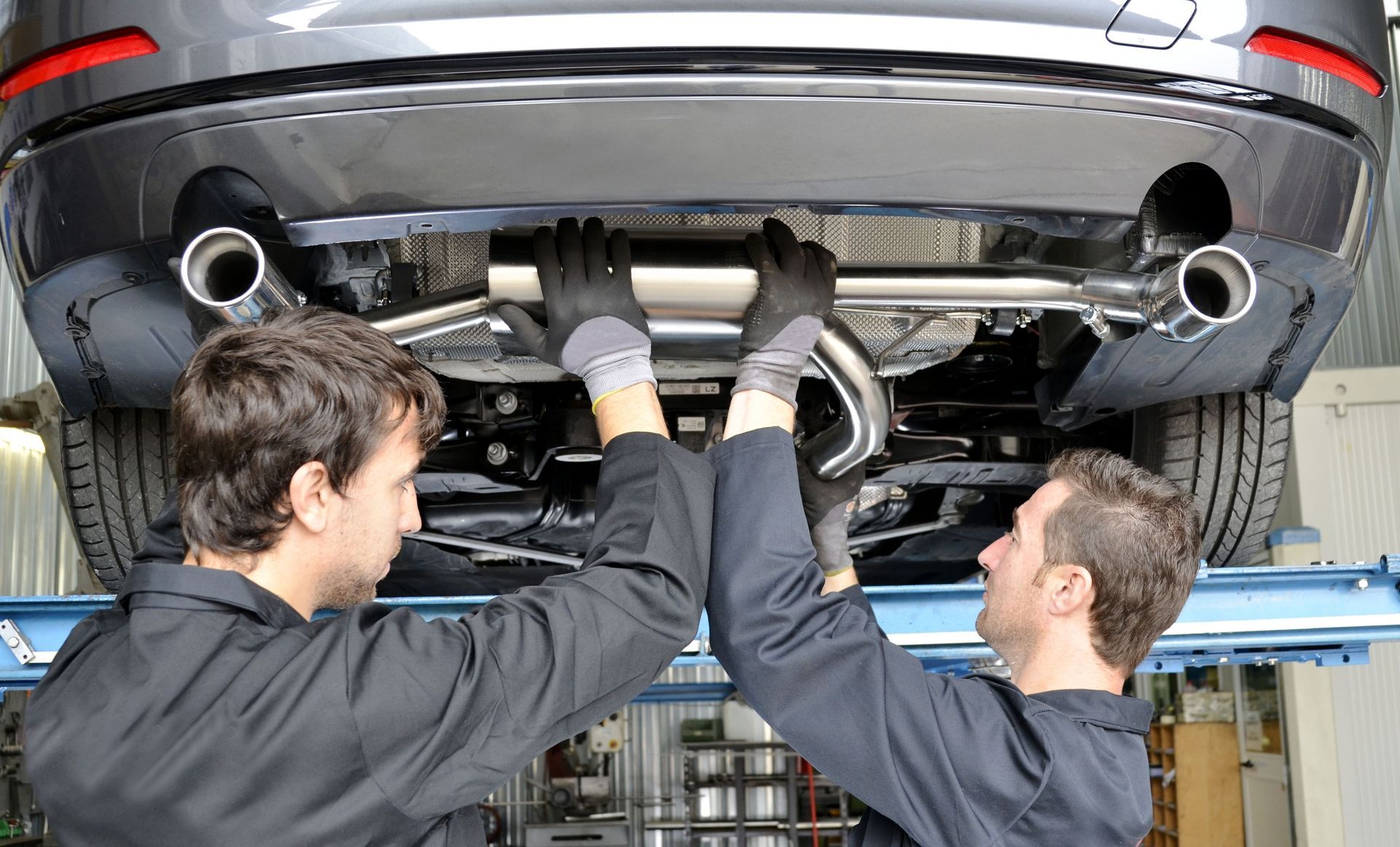
Contrary to popular belief, independent repair shops are fully capable of handling foreign auto repairs. These establishments often have mechanics who are well-trained and experienced in dealing with a variety of vehicle makes and models. Independent shops may even offer more personalized service compared to dealerships, allowing for flexible scheduling and tailored maintenance advice.
Additionally, independent shops often invest in the latest diagnostic tools to remain competitive, ensuring they can handle the complexities of modern foreign vehicles. Their adaptability and customer-focused approach make them a viable option for foreign car owners seeking efficient and reliable service.
The Training and Certification of Technicians
Technicians in independent repair shops are frequently undergoing training to keep pace with the fast-evolving auto industry. Many of them possess extensive certifications from reputable automotive organizations and often specialize in foreign automotive brands. This advanced training allows them to diagnose and repair foreign vehicles with a level of proficiency similar, if not superior, to dealership mechanics.
As technology in vehicles advances, continuous education becomes crucial, and skilled technicians seize these opportunities to enhance their capabilities. Consequently, the expanding knowledge base among independent mechanics debunks the myth that only dealership technicians can adeptly handle foreign car repairs.
Quality of Service: Dealership vs. Independent
In terms of service quality, both dealerships and independent shops have their respective advantages. Dealerships tend to provide service backed by the car's brand, often including warranty coverage. However, independent shops frequently emphasize customer service, focusing on building long-term relationships through trust and satisfaction.
Although dealerships can cover more warranty-related services, independent shops may offer more hands-on support and personalized attention. Many car owners find the local feel of an independent shop reassuring, preferring their honest communication and cost transparency. Ultimately, the choice between dealership and independent shop depends largely on personal preference and priorities.
Access to Specialized Tools and Equipment
Access to specialized tools is a crucial aspect of repairing modern foreign vehicles. While dealerships are typically well-equipped with brand-specific tools, independent shops are increasingly investing in high-quality diagnostic equipment. The acquisition of such tools by independent outfits levels the playing field, enabling them to perform complex repairs accurately and efficiently.
Furthermore, as auto repair technology advances, the cost of obtaining specialized equipment has decreased, allowing independent shops to remain competitive. Customers benefit from these investments by receiving high-quality repairs at a potentially lower cost, making independent shops a strong contender in foreign car repair services.
Myth 3: Foreign Car Parts Are Hard to Find
Global Supply Chains and Their Impact
The globalization of supply chains significantly impacts the availability of car parts, especially for foreign vehicles. In the past, sourcing parts for foreign cars would often involve long waits and high costs due to logistical challenges. However, developments in the global supply chain have made it easier and quicker to obtain parts from various regions of the world. When a part isn't locally available, it can usually be shipped promptly from international warehouses. This has effectively dismantled the myth that owners of foreign cars must struggle to find necessary parts, making repairs more feasible and less stressful.
Online Marketplaces for Car Parts
Online marketplaces have revolutionized how consumers acquire foreign car parts. Retail platforms and specialized auto parts retailers offer a wide range of parts for numerous makes and models. These virtual marketplaces provide detailed product descriptions and customer reviews, helping consumers make informed decisions.
The competitive nature of these platforms also drives prices down, often making parts more affordable than through traditional channels. The convenience and variety offered online ensure that car owners can access the parts they need, debunking the myth of scarce foreign car parts.
Role of Salvage Yards and Aftermarket Options
Salvage yards and aftermarket options play a crucial role in providing affordable parts for foreign cars. Salvage yards contain a plethora of used but functional parts, often at a fraction of the cost of new ones. They supply a diverse array of components, especially for older models, addressing issues related to vehicle longevity.
Aftermarket manufacturers, on the other hand, offer new, non-original parts that are designed to fit various foreign makes and models, ensuring continued availability and fair pricing. Together, salvage yards and aftermarket parts ensure car owners have sufficient options to keep their vehicles in top shape, regardless of age or model.
Understanding Import and Export Regulations
Import and export regulations significantly affect the availability and cost of foreign car parts. While navigating these regulations can be complex, experienced parts suppliers and repair shops are well-versed in the necessary processes. Knowing import duties, proper labeling, and shipping methods ensures the smooth flow of car parts across borders.
Suppliers often take these logistical challenges into account in their pricing strategies, minimizing the impact on consumers. Understanding these elements further debunks myths about foreign car parts scarcity by highlighting the organized infrastructure supporting global parts distribution.
Debunking these common myths reveals that owning and maintaining a foreign vehicle doesn't have to be an expensive or stressful ordeal. Thanks to modern global supply chains, e-commerce, and the growing capabilities of skilled independent mechanics, foreign auto repair is more accessible and affordable than ever before. To learn more, reach out to the experts at EuroTek Specialist today!